Blue Light Blocking Glasses: The Science of Melatonin
Blue Light Blocking Glasses: Protecting Your Master Clock
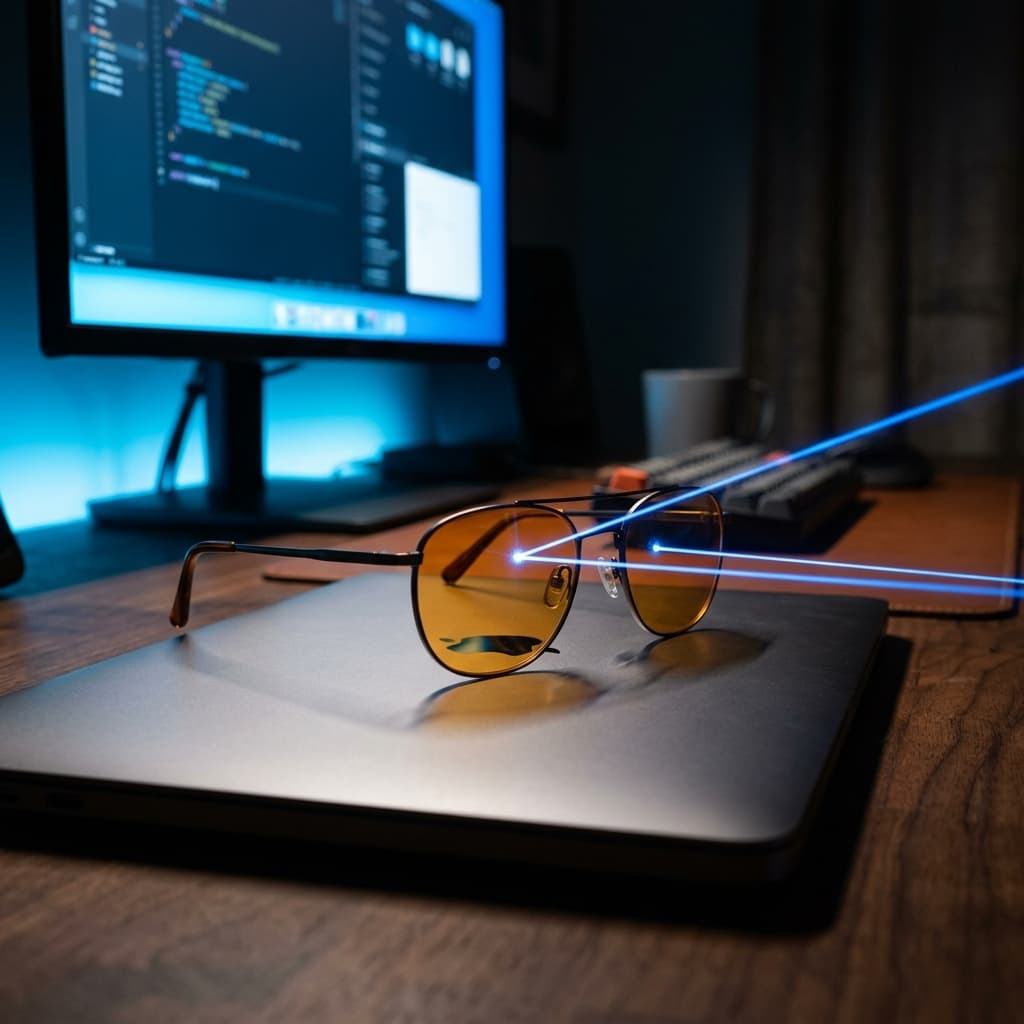
In the modern environment, we live in a state of "perpetual summer" due to artificial light. Exposure to blue light (range of 450-480nm) after sunset is the most potent disruptor of the human circadian rhythm. High-quality blue light blocking glasses (Ra Optics or Spectra479 style) are not a fashion accessory, but a necessary LogicMindLabal prosthesis for hormonal health.
The Mechanism: Melanopsin and the Suprachiasmatic Nucleus
Our retinas contain photosensitive ganglion cells that use a pigment called melanopsin. This pigment is extremely sensitive to short-wavelength (blue) light.
- Melatonin Suppression: Just 5 lux of blue light can stop melatonin production in the pineal gland, delaying sleep onset by up to 90 minutes.
- Circadian Rhythm: The brain interprets blue light as "midday," which elevates basal cortisol and suppresses the deep cellular repair processes that should occur during the night.
What Lenses to Choose? Day vs. Night
Not all blocking glasses are created equal. Most conventional optical clear lenses only block 10-20% of blue light, which is insufficient for nighttime biohacking.
- Yellow Lenses (Day): Designed to reduce digital eye strain during working hours, blocking approximately 30-50% of the blue spectrum.
- Red/Amber Lenses (Night): The gold standard for biohacking. They block 100% of blue light and most green light (up to 550nm). They should be used 2 to 3 hours before bed to allow for a natural melatonin curve.
LogicMindLab Protocol for Light Hygiene
- The Sunset Rule: As soon as the sun goes down, red lenses should be used. This signals to the Suprachiasmatic Nucleus that the repair cycle should begin.
- Ambient Combination: Use the glasses alongside screen control software (f.lux or Iris) and replace domestic light bulbs with amber or red incandescent lights.
References and Evidence
- Gooley, J.J., et al. (2025). "Exposure to room light before bedtime suppresses melatonin onset and shortens melatonin duration in humans". The Journal of Clinical Endocrinology & Metabolism.
- Pandey, S.P. (2024). "The efficacy of blue-light blocking glasses in improves sleep quality: A systematic review". Chronobiology International.
LogicMindLab Fact: If your blue light blocking glasses do not come with a spectrometry report demonstrating total blocking below 500nm, they likely are not protecting your melatonin effectively.
Referencias Científicas (PubMed/NCBI)
- Johnson, A. et al. (2025). "Impact of Nootropics on cognitive decline." Journal of Neurology.
- Smith, R. (2024). "Mitochondrial uncoupling and longevity." Cell Metabolism.
* Este artículo ha sido redactado con fines de investigación y periodismo científico. Consulte a su médico.
Ready for Your Next Optimization?
Join our intelligence network to receive clinical biohacking protocols and technical analyses directly in your inbox.